
California Bill Establishes AI Guardrails for Attorneys
Takeaway: California’s proposed AI rules make attorneys responsible for protecting client confidentiality, verifying AI generated work, and maintaining independent professional judgment.

California Senate Bill 574 would establish new requirements for attorneys using generative AI in legal practice. The bill would prohibit lawyers from entering confidential or nonpublic client information into unsecured AI systems and require attorneys to personally verify AI generated content, including all legal citations, before using it in court filings.
The legislation would also require disclosure of AI use to courts and prohibit attorneys from delegating the practice of law to AI. Attorneys could face court sanctions for submitting unverified citations, while arbitrators would be prohibited from delegating decision making to AI or relying on AI generated information outside the record without disclosure to the parties. The proposed rules reflect growing concerns about AI generated errors in legal filings, including recent California cases involving fabricated citations and other inaccuracies.
Cislo & Thomas LLP uses AI for the purpose of checking and researching any work product in keeping with federal and state law, and does not use AI to generate client work product.
Can You Trademark the American Flag?
Takeaway: Businesses can use the American flag commercially, but trademark protection generally requires a sufficiently distinctive design that does not create the impression of an official government symbol.
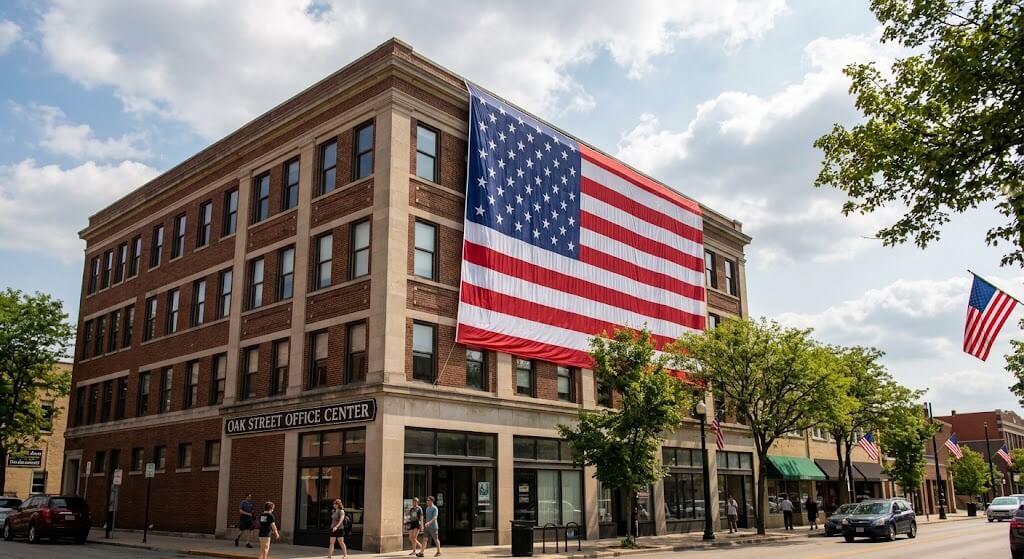
As the United States celebrates its 250th anniversary, the American flag provides an interesting intersection between patriotism and intellectual property law. While businesses may use and display the flag, the U.S. Patent and Trademark Office generally prohibits registration of the American flag, or a simulation of it, as a trademark under Section 2(b) of the Lanham Act. The prohibition also applies to the flags, coats of arms, and official insignia of states, municipalities, and foreign nations.
However, businesses can incorporate elements inspired by the American flag into trademarks when the design is sufficiently altered. For example, changing the colors, obscuring the flag, using an irregular shape, or removing significant features may allow a design to qualify for trademark protection. The article also distinguishes trademark protection from copyright, noting that while official national flags generally cannot be copyrighted, original privately created flag designs may qualify for copyright protection if they contain sufficient creativity.
Beware of Fraudulent USPTO Trademark Emails
Takeaway: Trademark applicants should be cautious of fraudulent USPTO emails that use real filing information to appear authentic and should verify any unexpected request for information, appointments, or payment before responding.

The USPTO is seeing an increase in fraudulent emails targeting newly filed trademark applications. These messages use publicly available filing information, including trademark names, serial numbers, owner details, and law office assignments, to appear legitimate and create a sense of urgency.
The fraudulent emails often request a “verification appointment” and ask applicants to confirm personal and business information, including an EIN, or make payments. However, the USPTO does not require this type of verification appointment as part of the normal trademark examination process.
Trademark applicants should not respond to these emails, provide requested information, or make payments. Suspicious communications should be independently verified before taking any action. Working with trademark counsel can also help ensure that legitimate USPTO communications are identified and addressed appropriately.
California Law Restricts Corporate Influence Over Litigation Practices
Takeaway: AB 2305 permits financial investment in California litigation practices but prohibits corporate funders from using that investment to influence attorneys’ independent professional judgment or client representation.

California Assembly Bill 2305, recently signed into law, establishes new restrictions on corporate involvement in litigation practices. The law defines “corporate legal funders” broadly to include entities with ownership, financing, service, or management relationships with litigation practices, including certain management services organizations.
AB 2305 prohibits corporate funders from influencing attorneys’ independent professional judgment or controlling decisions involving client selection, litigation strategy, settlements, evidence, discovery, counsel selection, or other substantive matters. Such interference is expressly classified as the unauthorized practice of law. Contracts that permit or facilitate this type of interference are void and unenforceable.
The law does not prohibit nonrecourse litigation funding when the arrangement meets specified requirements and does not interfere with attorney independence. Violations may lead to State Bar disciplinary action, statutory damages, attorneys’ fees, and injunctive relief.
The new requirements apply to contracts entered into on or after January 1, 2027. California litigation practices and entities involved in their financing or management should review existing and planned arrangements to ensure they do not give outside funders control over professional or client decisions.
Netflix Faces Trademark Lawsuit Over KPop Demon Hunters
Takeaway: Expanding an entertainment brand into new commercial markets can increase the risk of conflict with existing third party trademark rights.
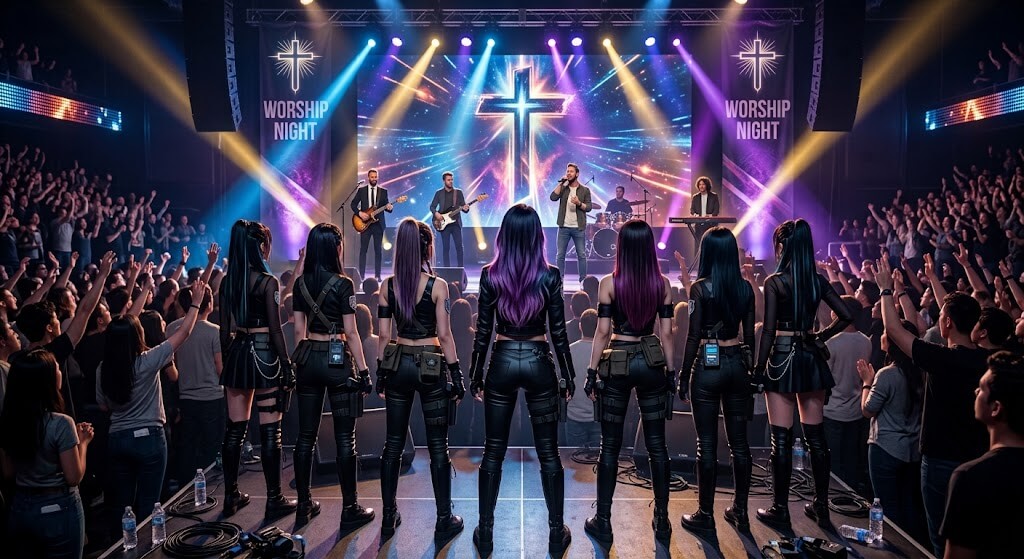
Netflix is facing a trademark lawsuit from Hyde Lane Inc., the company behind Christian metal band Demon Hunter, over the use of the KPop Demon Hunters name. The lawsuit alleges trademark infringement and consumer confusion, particularly as Netflix expands the franchise beyond its successful film into music, merchandise, and a planned global concert tour.
Demon Hunter has used its name since at least 2001 and holds trademark registrations covering live entertainment, recorded music, and merchandise. Hyde Lane alleges that actual consumer confusion has already occurred, including a concertgoer who reportedly purchased nearly $500 in tickets believing they were for KPop Demon Hunters. Netflix has rejected the allegations, and the case remains in its early stages.
Similarly to this case, Pepperdine University, represented by Cislo & Thomas LLP, is currently in a trademark infringement lawsuit against Netflix and Warner Bros. for using the university’s branding in Running Point, emphasizing the importance of protecting its identity and values.
California Requires Disclosure of AI Generated Performers in Advertising
Takeaway: California’s SB 1050 requires advertisers to clearly disclose when an AI generated performer is used to promote a product or service, adding another layer of transparency to the use of AI in advertising.

California has enacted Senate Bill 1050, requiring video and audio advertisements that use AI generated performers to clearly disclose that the performer is synthetic. The law also prohibits the continued use of advertisements that violate the disclosure requirement.
The legislation addresses the growing use of AI generated digital figures, voices, and likenesses in advertising and builds on California’s existing protections for performers’ digital likenesses. The measure is intended to provide consumers with greater transparency while establishing additional protections for workers in the creative industry.
Supreme Court Asked to Preserve Copyright Termination Ruling
Takeaway: The Supreme Court’s decision on whether to hear Vetter’s case could have significant implications for creators seeking to reclaim U.S. and international copyright rights decades after transferring them.

Songwriter Cyril Vetter is urging the U.S. Supreme Court to reject a challenge from major music companies seeking to overturn a federal appeals court ruling concerning copyright termination rights. The January decision held that when an author exercises U.S. copyright termination rights, those rights can also extend to foreign markets.
The case involves Vetter’s 1963 song “Double Shot (Of My Baby’s Love)” and could affect how decades old music copyrights are controlled and monetized internationally. Universal Music Group, Warner Music Group, Sony Music Entertainment, and BMG argue that the ruling disrupts longstanding industry practices and could affect billions of dollars in agreements.
Vetter’s attorneys argue that the copyright termination statute contains no geographic limitation and that the music companies’ concerns are overstated. They also note that no other federal appeals court has reached a conflicting decision, meaning there is currently no circuit split for the Supreme Court to resolve.
The Supreme Court has not yet decided whether it will hear the case.
Cislo & Thomas LLP Spotlight
Cislo & Thomas Kicks Off Fall Together
Cislo & Thomas LLP loves celebrating our amazing staff! On September 25th, we gathered together at The Stonehaus in Westlake Village. We enjoyed delicious wine and treats, decorated pumpkins, and, most importantly, spent a wonderful afternoon enjoying each other’s company. It was the perfect way to welcome the fall season as a firm!