Pepperdine Appeals Dismissal of Trademark Lawsuit Against Netflix
Takeaway: Trademark owners should understand how First Amendment protections for expressive works may limit infringement claims when their marks appear in television, film, and other entertainment.
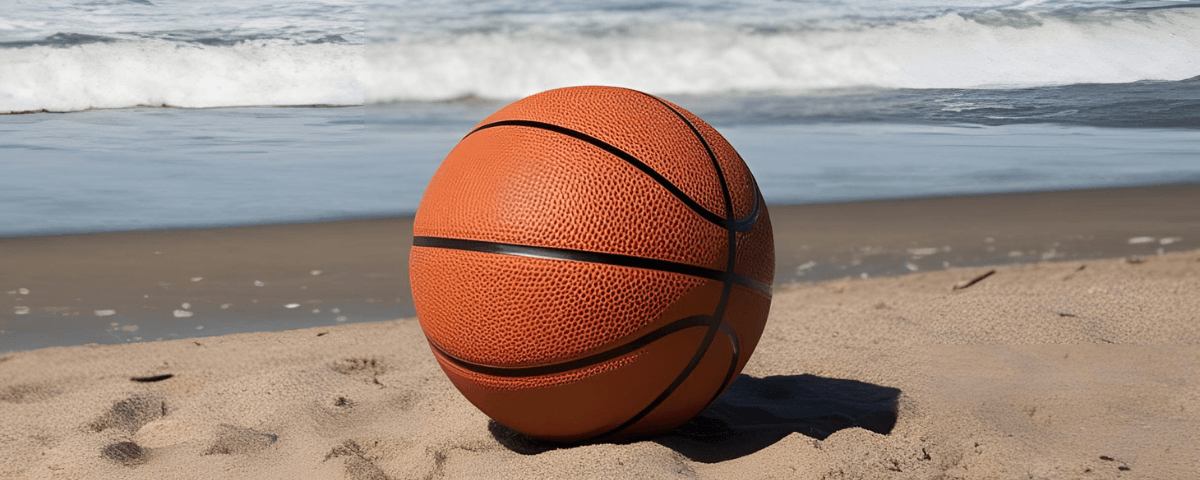
Pepperdine University, represented by Cislo & Thomas LLP and Sullivan & Cromwell, is asking the U.S. Court of Appeals for the Ninth Circuit to revive its trademark infringement lawsuit against Netflix, Warner Bros., and Kaling International over the use of “Waves” in the series Running Point. The university filed suit in February 2025, alleging that the show’s fictional “Los Angeles Waves” basketball team infringes Pepperdine’s WAVES trademarks, which the university has used for its athletic programs since 1937.
In March 2026, a federal district court dismissed the lawsuit, finding that the show’s use of the name was protected by the First Amendment under the Rogers v. Grimaldi test for expressive works. In its appeal, Pepperdine argues that the court applied the First Amendment defense too broadly and improperly evaluated whether the use of the mark misled consumers about the source of the content. The university warns that the decision could weaken trademark owners’ ability to challenge unauthorized uses of their marks in entertainment.
The appeal highlights the ongoing tension between trademark protection and First Amendment rights in creative works. The Ninth Circuit’s review could provide important guidance on how courts balance these competing interests when entertainment productions use names or branding associated with real organizations.
Protecting Your Intellectual Property at the U.S. Border: Why Customs Recordation Matters
Takeaway: Recording registered trademarks and copyrights with U.S. Customs and Border Protection can help prevent counterfeit and infringing goods from entering the United States, providing an additional layer of protection for valuable intellectual property.
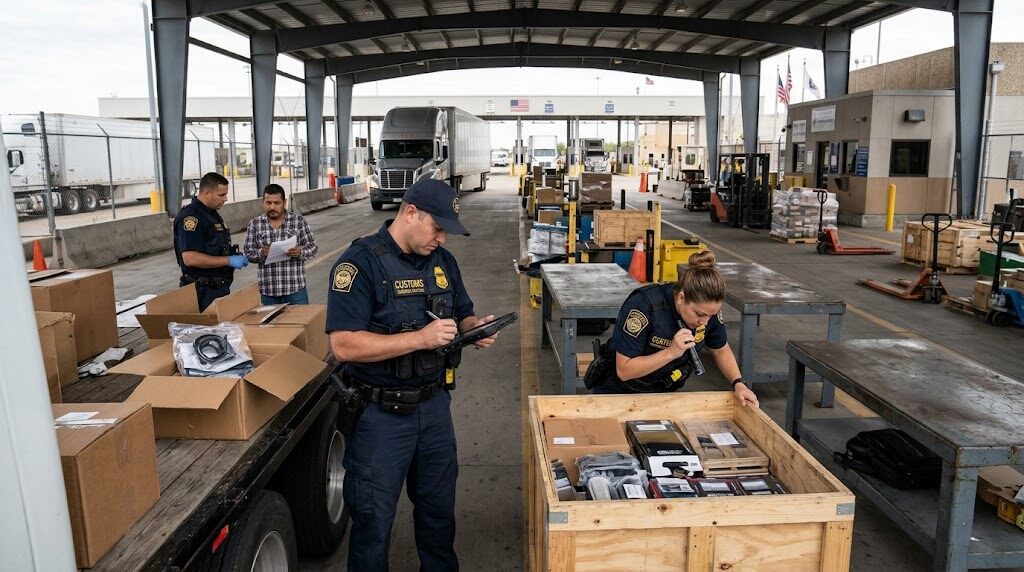
Registering a trademark or copyright is an important step in protecting intellectual property, but registration alone may not prevent counterfeit or infringing products from entering the United States. U.S. Customs and Border Protection (CBP) offers an additional enforcement tool that allows eligible intellectual property owners to record their registered trademarks and copyrights with the agency.
Once recorded, CBP can use the recordation information to help identify and detain potentially infringing goods at U.S. ports of entry. This can be particularly valuable for businesses whose products are frequently counterfeited or whose brands are vulnerable to unauthorized imports. Customs recordation may help protect brand reputation, reduce consumer confusion, and limit the commercial harm caused by counterfeit merchandise.
Trademark owners generally must have a valid federal trademark registration, while copyright owners must have an eligible copyright registration. Recordation is separate from an underlying registration and requires submitting the appropriate information to CBP. Intellectual property owners should also provide accurate details about their genuine products, authorized manufacturers, and distinguishing features to help customs officials identify potentially counterfeit goods.
For businesses selling products internationally, customs recordation can complement other intellectual property enforcement strategies, including marketplace monitoring, cease and desist letters, and litigation. It may also be worthwhile to evaluate whether recording intellectual property with foreign customs authorities would provide additional protection in important international markets.
Cislo & Thomas LLP can assist clients with trademark and copyright protection strategies, including evaluating eligibility for customs recordation and coordinating intellectual property enforcement efforts to help protect their brands and creative works from infringement.
USPTO Requires U.S. Patent Counsel for Foreign Applicants
Takeaway: Foreign-domiciled patent applicants and owners must be represented by a USPTO-registered patent practitioner for all patent matters.

The USPTO now requires patent applicants and patent owners who are not domiciled in the United States or its territories to be represented by a USPTO-registered patent attorney or agent. The rule is intended to improve examination efficiency, reduce the patent application backlog, enhance patent quality, and deter fraud and misrepresentation.
The requirement applies to all papers submitted to the USPTO on or after July 20, 2026, including matters involving applications filed before that date. All submissions must be signed by a registered patent practitioner when representation is required.
Foreign applicants and patent owners with pending matters should secure qualified U.S. patent counsel before upcoming response deadlines to avoid potential procedural complications. Cislo & Thomas LLP can assist foreign clients with U.S. patent prosecution and related matters.
MLS Wins Copyright Protection for 2014 Crest
Takeaway: Original logo designs may qualify for copyright protection when their creative elements meet the originality threshold, providing businesses with an additional layer of intellectual property protection.
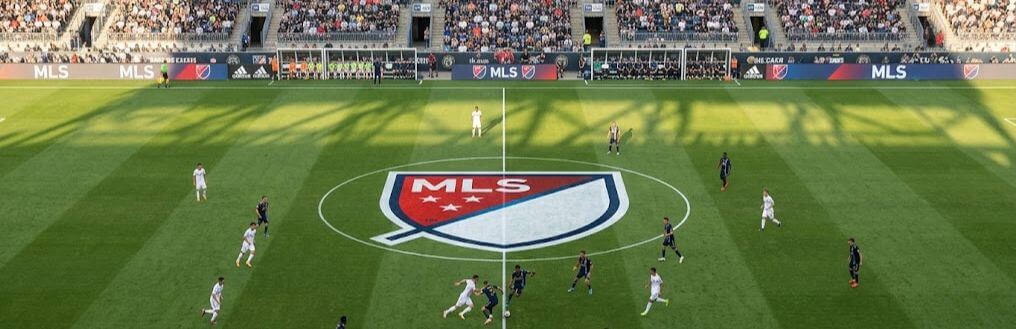
The U.S. Copyright Office Review Board has reversed an earlier refusal and determined that Major League Soccer’s 2014 crest is eligible for copyright registration. The Board concluded that the two-dimensional design contains sufficient creative authorship to qualify for protection, including its shield shape, diagonal slash, and combination of artistic elements. The decision followed MLS’s second request for reconsideration after the initial application was rejected for insufficient originality. The matter has been referred back to the Copyright Office’s Registration Policy and Practice division to complete the registration process.
This decision highlights that logos and other graphic designs may qualify for copyright protection when they contain sufficient original creative expression, even when their individual elements are relatively simple. Businesses should consider copyright protection alongside trademark registration to strengthen their intellectual property portfolios and protect their branding assets.
USPTO Turns to AI Agents to Reduce Patent Application Backlog
Takeaway: The USPTO’s adoption of AI could accelerate patent examination and improve efficiency, but human expertise will remain critical to ensuring accurate and consistent patentability decisions.
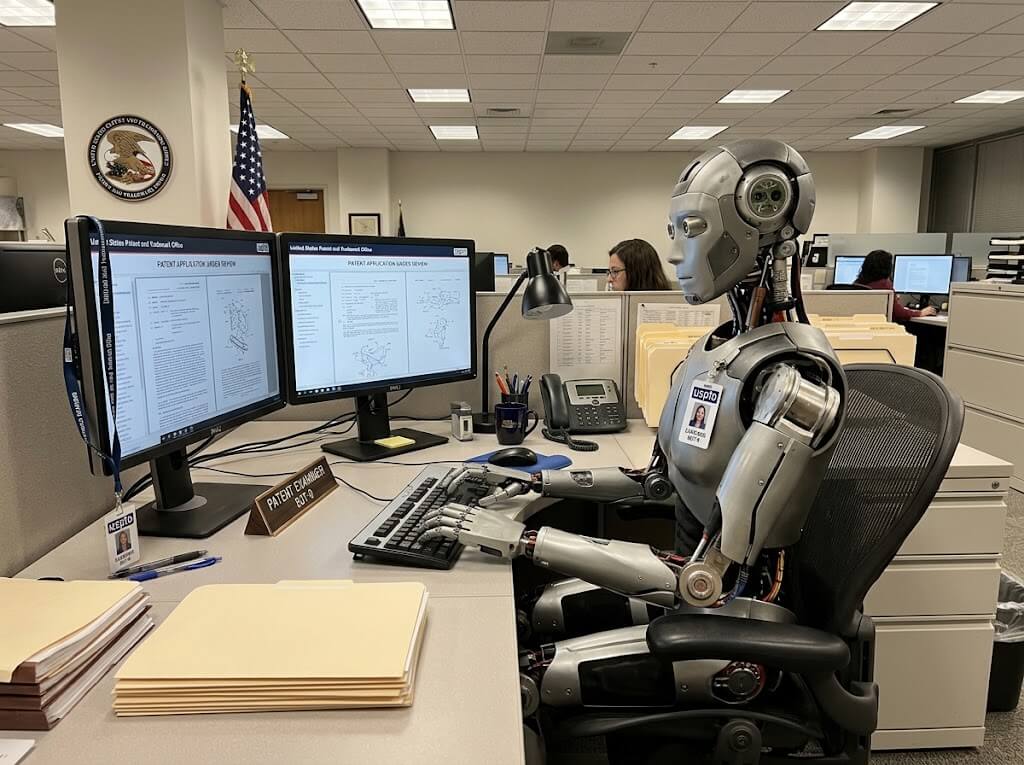
The USPTO is deploying AI agents to help patent examiners complete routine administrative and technical tasks as the agency works to address a backlog of approximately 700,000 patent applications. Acting Commissioner for Patents Barry Schindler said the technology could improve consistency and potentially reduce examination timelines from as long as five years to about one year. The agency is using tools such as Compass to automate portions of the review process, allowing examiners to focus on substantive patentability issues and direct communication with applicants. However, AI is intended to assist rather than replace human examiners, whose expertise and judgment remain essential to the examination process.
USPTO Surpasses Most FY26 Patent Goals
Takeaway: The USPTO’s progress toward its FY26 patent goals signals improvements in application processing, but applicants should continue to plan for potential delays, particularly when further examination is required.
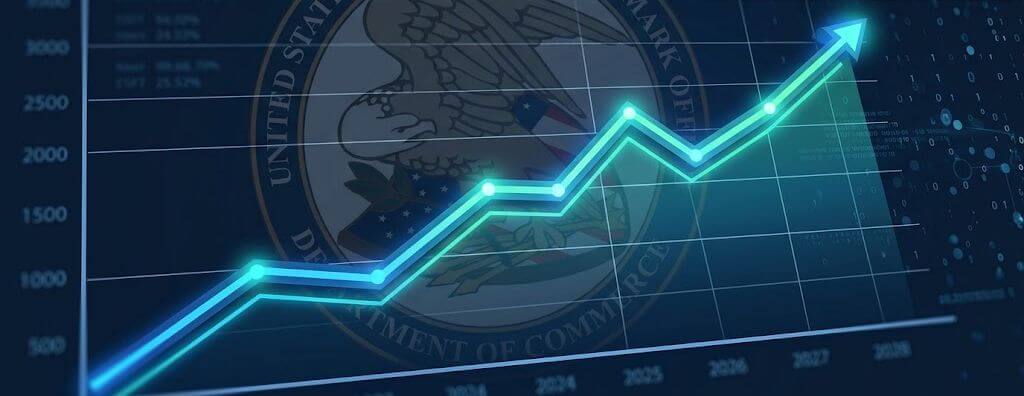
The U.S. Patent and Trademark Office (USPTO) reports that it surpassed most of its fiscal year 2026 patent performance goals, citing progress in reducing the backlog of unexamined patent applications and improving examination timelines. According to agency leadership, targeted reforms to how patent examiners allocate their time have helped improve productivity and reduce delays. The agency has prioritized addressing older pending applications while working to improve examination efficiency and patent quality. However, the results were not uniform across all areas, as delays involving requests for continued examination (RCEs) increased, highlighting an area that still requires improvement. These developments reflect the USPTO’s ongoing efforts to streamline patent examination and provide applicants with more timely decisions.
Cislo & Thomas LLP Spotlight
Daniel Cislo Reaches 15 Years as Super Lawyers®
Congratulations to our managing partner Daniel M. Cislo, for 15 consecutive years as a Super Lawyers recipient! This is an honor reserved for those lawyers who exhibit excellence in practice, with only 5% of attorneys in Southern California receiving this distinction.

Cislo & Thomas Sponsors Santa Monica Bar Association’s 98th Annual Installation Dinner
Cislo & Thomas LLP was a proud sponsor of the SMBA 98th Annual Installation Dinner this last Thursday, October 22nd. Hosted at the Shutters on the Beach in Santa Monica, this event was a dinner and networking event to swear in the new slate of Executive Officers and Trustees for the SMBA. Our firm is proud to be active in the local legal community.